

For generations, homeownership has been treated as the natural destination of the American housing journey.
Discover Build-to-Rent homes, how they compare to apartments and homeownership, and why more renters are choosing this flexible housing option.
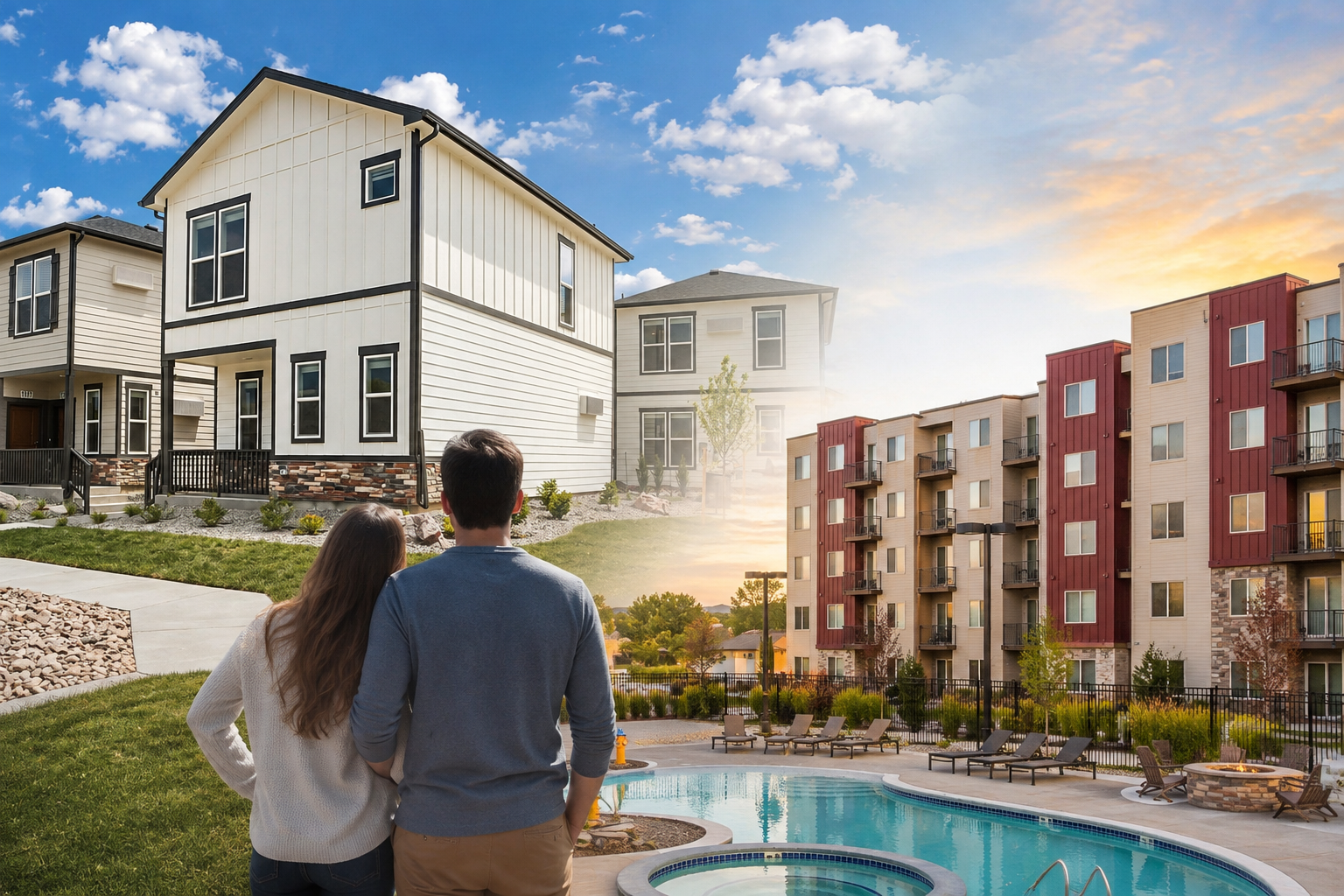
Explore Build-to-Rent vs. apartment living, from privacy and outdoor space to amenities, maintenance, flexibility and finding the right fit for you.
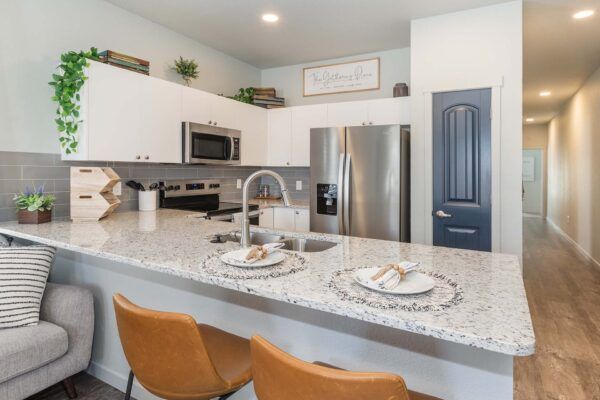
Learn about Build-to-Rent homes offering comfort & privacy without maintenance. Explore options at The Cottages Collection today!
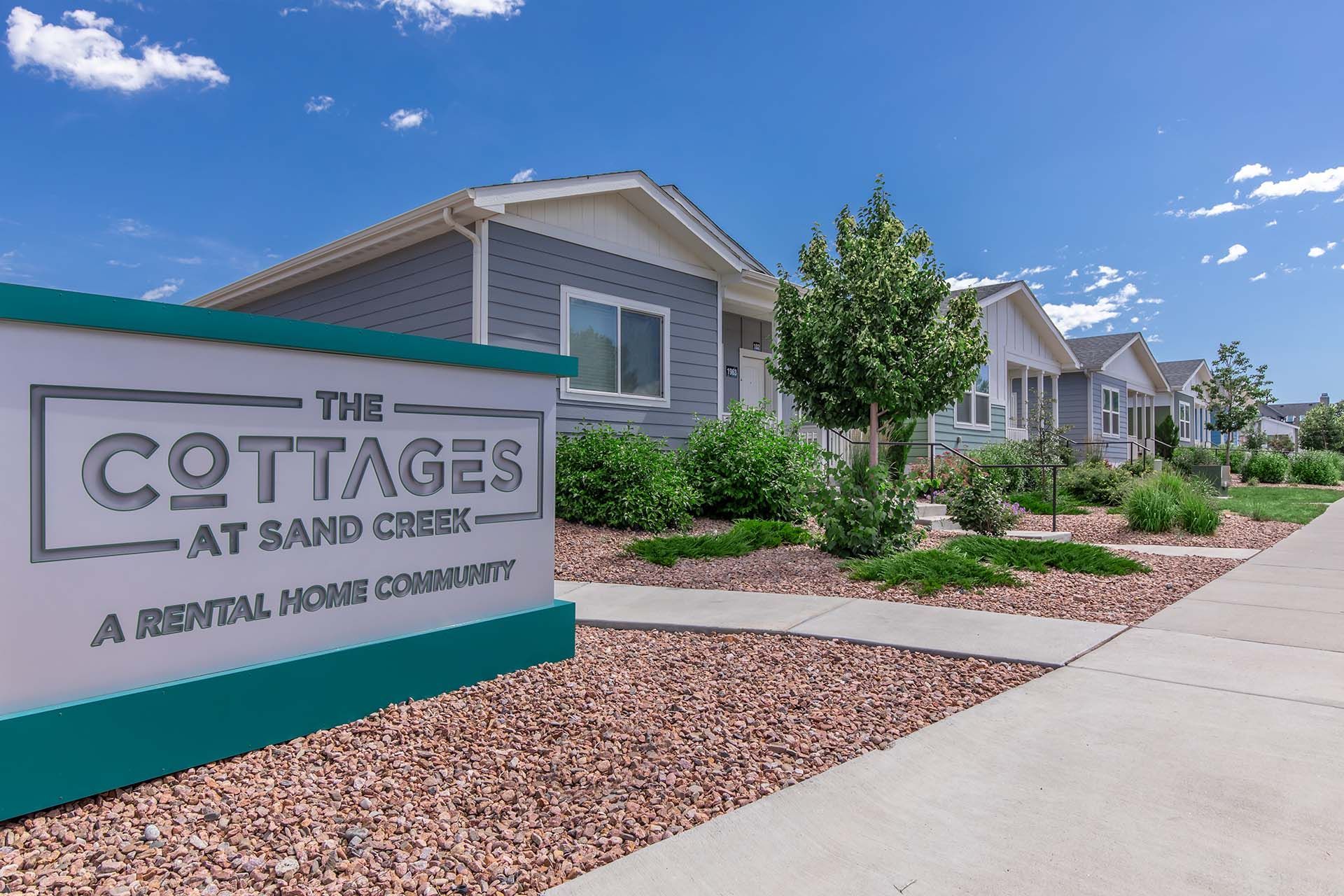
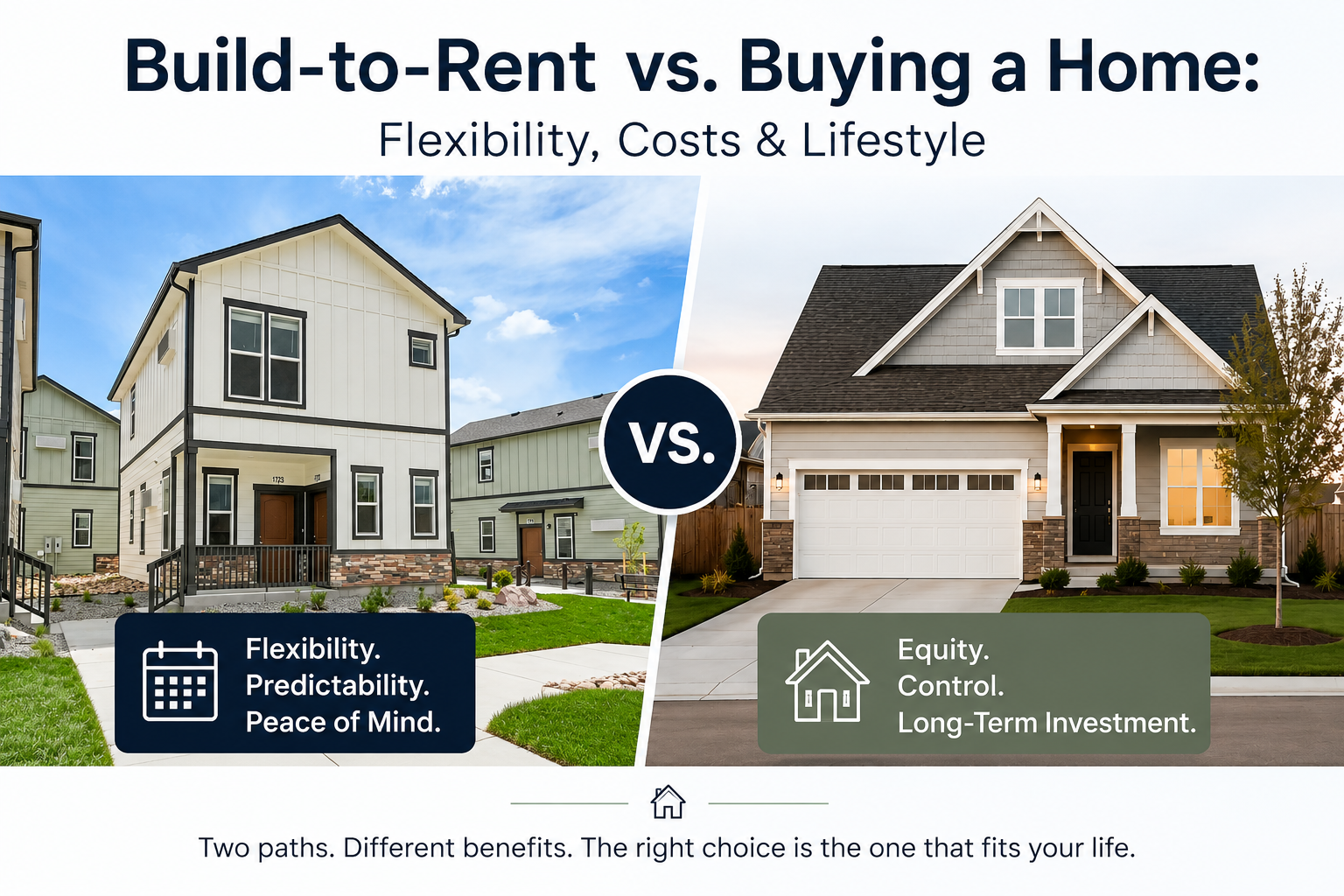
Renting & homeownership have been viewed as two different lifestyles. If you wanted flexibility, you rented an apartment. If you wanted privacy, you bought a home.

Learn why renters are flocking to Colorado Springs. Explore our communities for a hassle-free living experience. Contact us today!
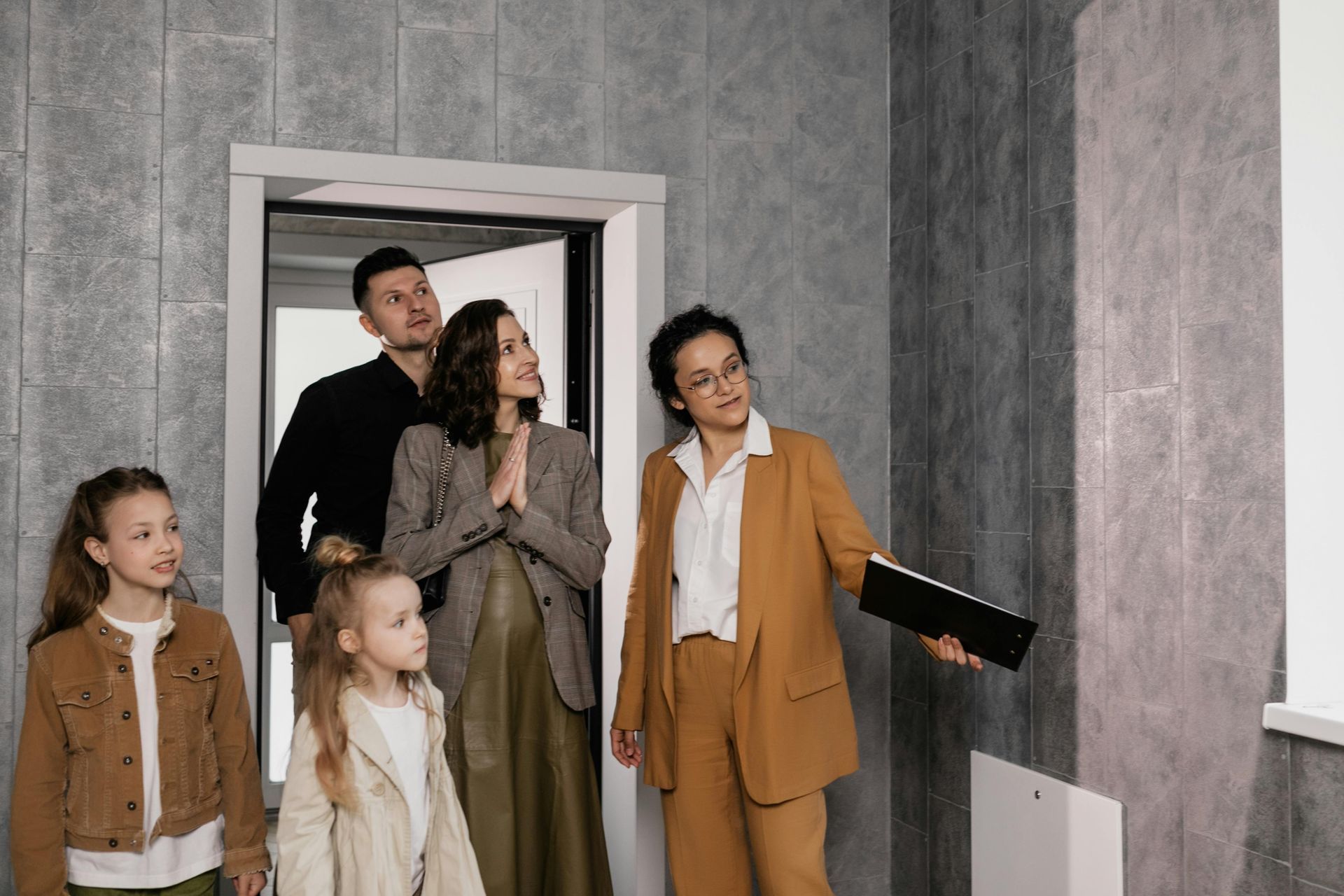
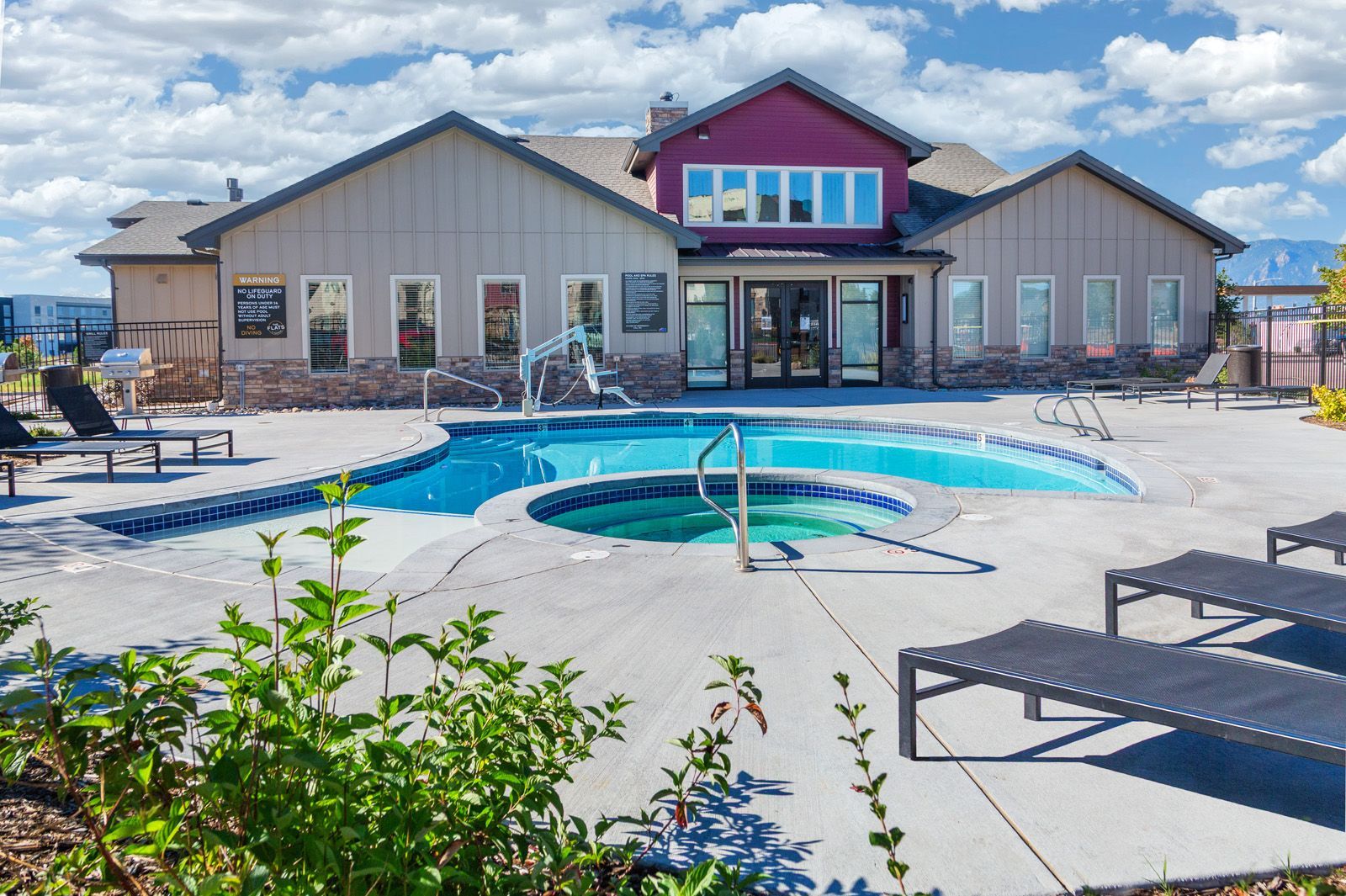
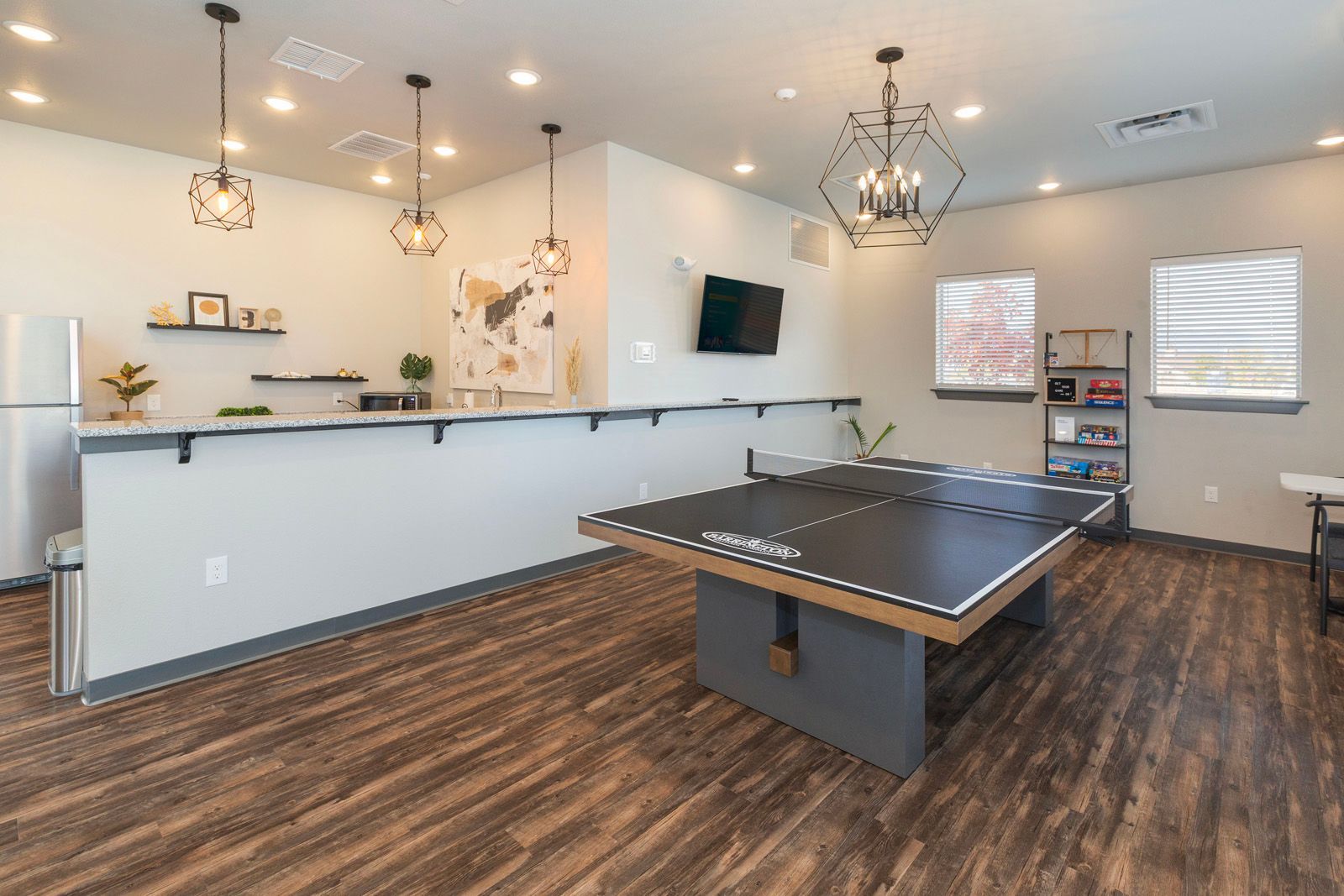
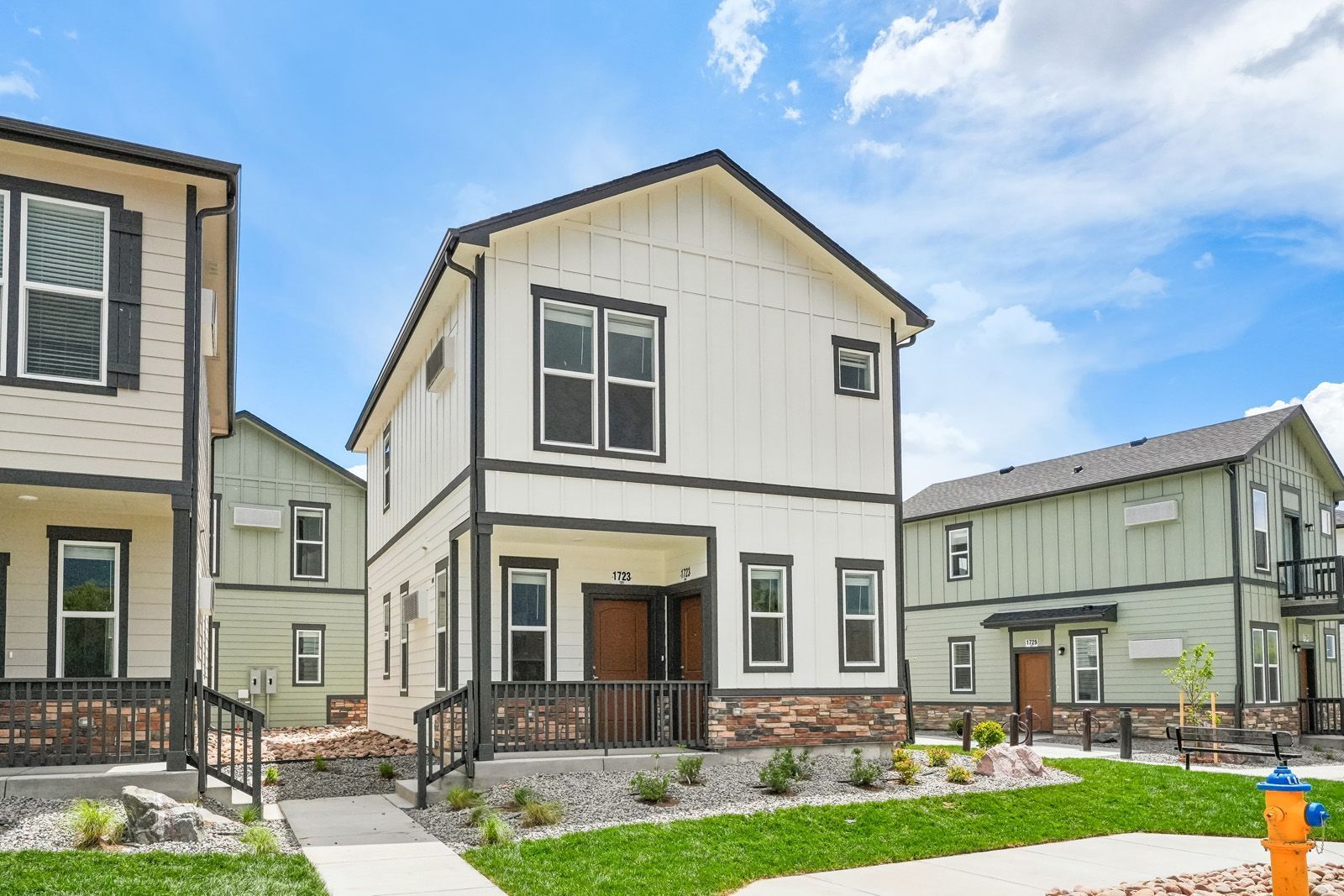
Build-to-rent homes aren’t a trend—they’re a response to how people actually want to live. These communities are designed specifically for renters who want more than an apartment but don’t want the responsibilities of ownership. Ideal for Renters Ready for More Space Build-to-rent cottages are a strong fit for: Professionals working remotely Renters priced out of buying but ready to upgrade People who value privacy and quiet Anyone tired of apartment density You get the feel of a neighborhood with the ease of renting. Ideal for Downsizers and Simplifiers They’re also ideal for: Homeowners selling larger homes Empty nesters People seeking predictable expenses Anyone done with maintenance and yard work It’s a way to simplify without settling. Why Colorado Springs Is a Natural Fit Colorado Springs offers: Strong job growth Military and defense presence Outdoor-focused lifestyles Diverse residential neighborhoods Build-to-rent cottages complement this environment perfectly—providing flexibility without sacrificing quality of life. Designed With Intention Unlike converted properties or older rentals, build-to-rent homes are planned from the ground up: Residential layouts Neighborhood-scale communities Centralized maintenance and support The result is a better rental experience—by design. Discover build-to-rent cottage communities across Colorado Springs and see how this lifestyle fits your needs.
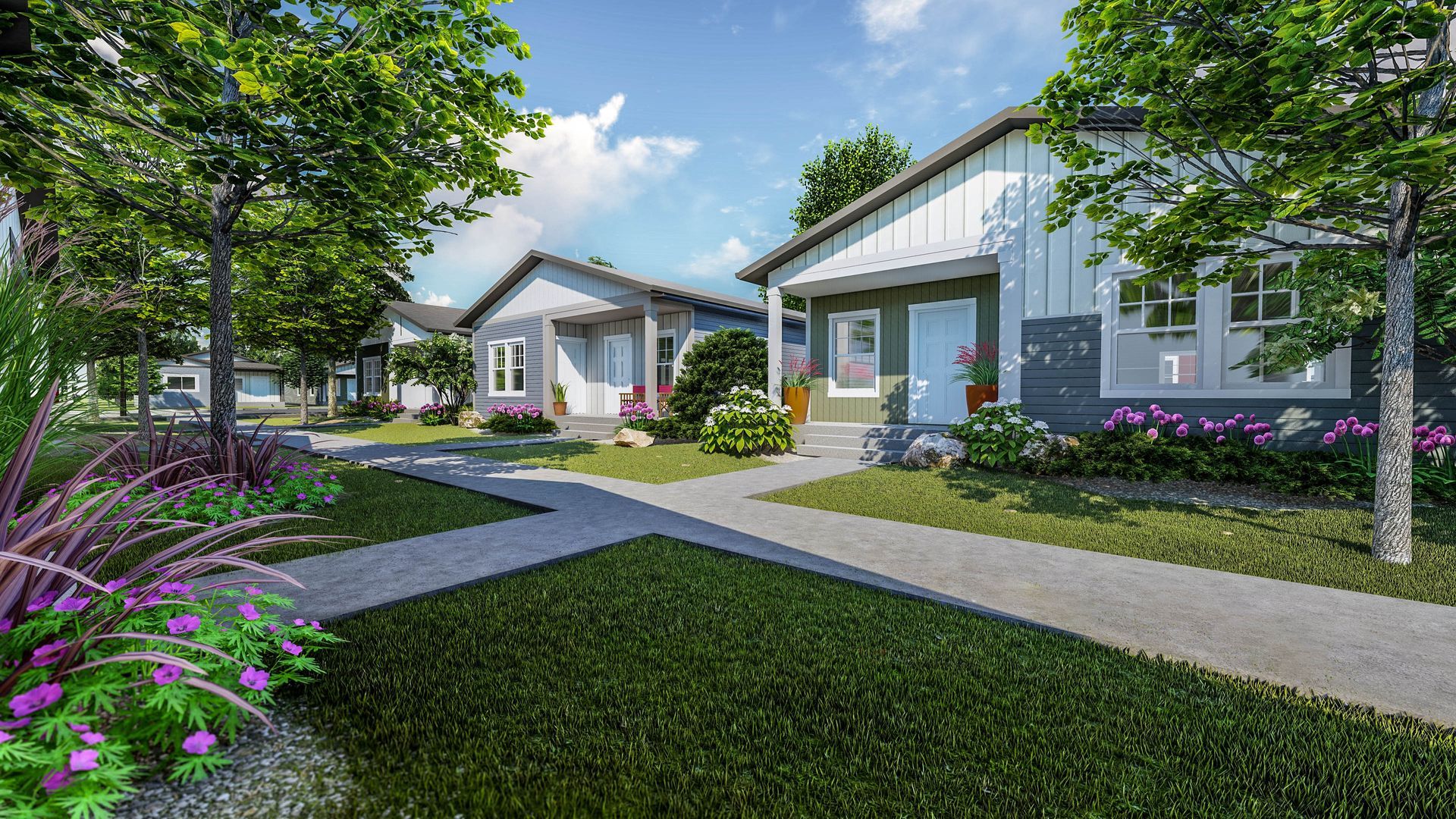
Experience stress-free renting with maintenance-free homes. Enjoy your time and let us handle the upkeep. Contact us today!
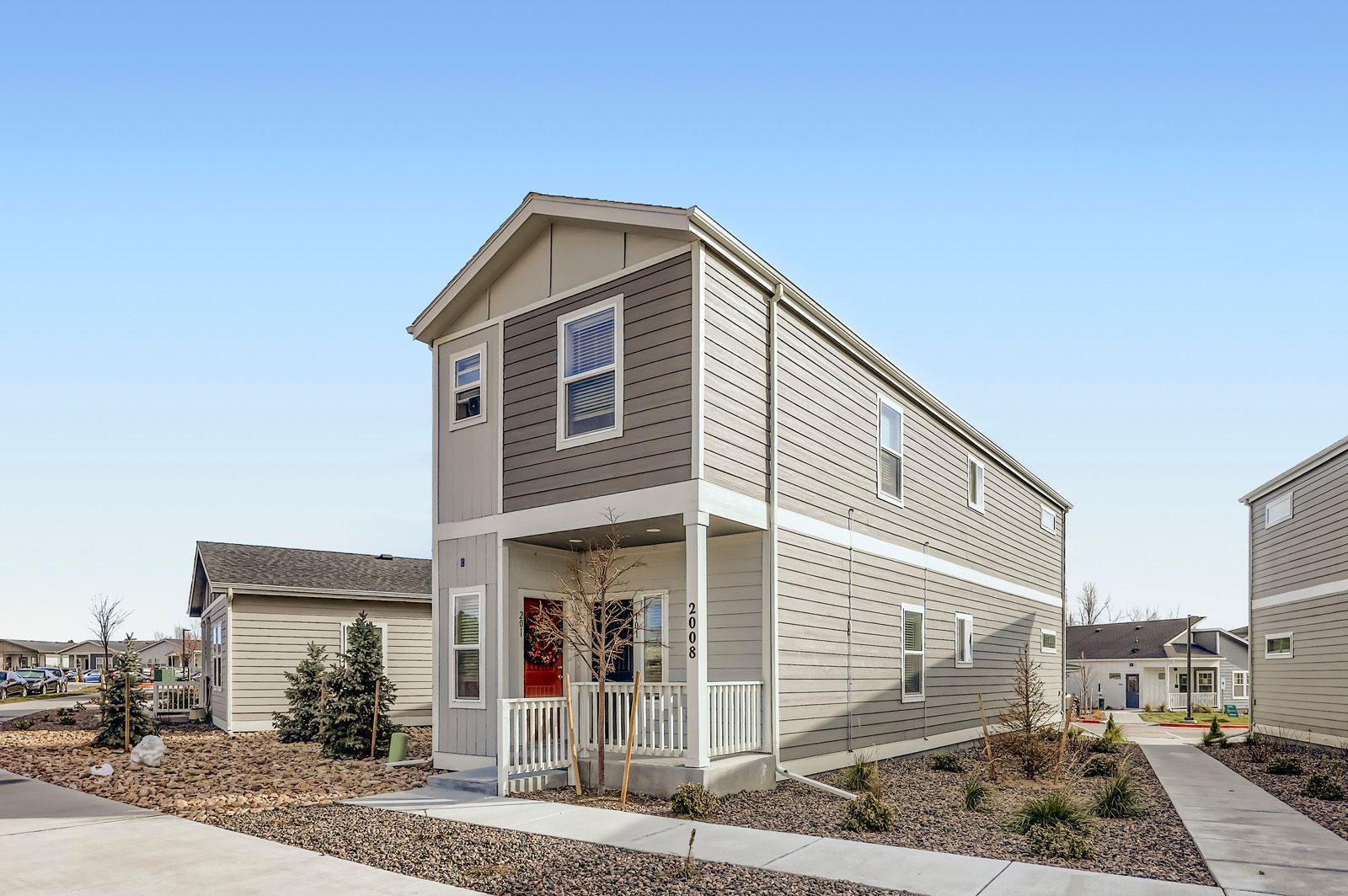
Explore build-to-rent homes in Colorado Springs, ideal for remote workers & downsizers seeking maintenance-free living. Contact us today!
For generations, homeownership has been treated as the natural destination of the American housing journey.
Discover Build-to-Rent homes, how they compare to apartments and homeownership, and why more renters are choosing this flexible housing option.
Explore Build-to-Rent vs. apartment living, from privacy and outdoor space to amenities, maintenance, flexibility and finding the right fit for you.
Learn about Build-to-Rent homes offering comfort & privacy without maintenance. Explore options at The Cottages Collection today!
Renting & homeownership have been viewed as two different lifestyles. If you wanted flexibility, you rented an apartment. If you wanted privacy, you bought a home.
Learn why renters are flocking to Colorado Springs. Explore our communities for a hassle-free living experience. Contact us today!
Build-to-rent homes aren’t a trend—they’re a response to how people actually want to live. These communities are designed specifically for renters who want more than an apartment but don’t want the responsibilities of ownership. Ideal for Renters Ready for More Space Build-to-rent cottages are a strong fit for: Professionals working remotely Renters priced out of buying but ready to upgrade People who value privacy and quiet Anyone tired of apartment density You get the feel of a neighborhood with the ease of renting. Ideal for Downsizers and Simplifiers They’re also ideal for: Homeowners selling larger homes Empty nesters People seeking predictable expenses Anyone done with maintenance and yard work It’s a way to simplify without settling. Why Colorado Springs Is a Natural Fit Colorado Springs offers: Strong job growth Military and defense presence Outdoor-focused lifestyles Diverse residential neighborhoods Build-to-rent cottages complement this environment perfectly—providing flexibility without sacrificing quality of life. Designed With Intention Unlike converted properties or older rentals, build-to-rent homes are planned from the ground up: Residential layouts Neighborhood-scale communities Centralized maintenance and support The result is a better rental experience—by design. Discover build-to-rent cottage communities across Colorado Springs and see how this lifestyle fits your needs.
Experience stress-free renting with maintenance-free homes. Enjoy your time and let us handle the upkeep. Contact us today!
Explore build-to-rent homes in Colorado Springs, ideal for remote workers & downsizers seeking maintenance-free living. Contact us today!
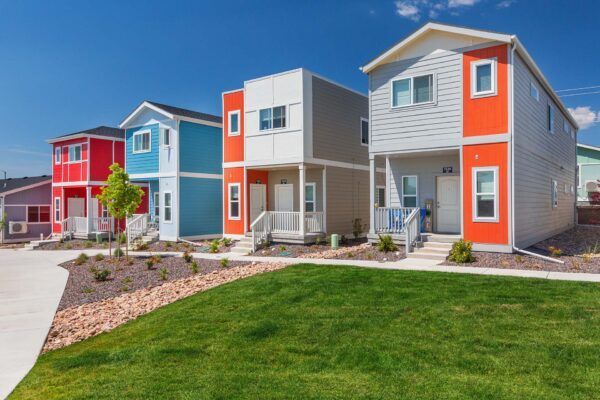
Experience maintenance-free living in private cottage communities. Enjoy the freedom of renting without shared walls. Inquire today!